Urbanization is a growing trend worldwide, with cities expanding at a rapid pace. While urban areas offer economic and infrastructural benefits, they also bring about environmental changes that have far-reaching consequences. One such consequence is the significant impact urbanization has on pollen and allergen levels, which can directly affect the health and well-being of residents. In this blog, we will explore how urbanization influences pollen levels, the connection to allergen exposure, and how these changes are linked to climate change and pollution.
Urban Impact on Pollen and Environmental Changes
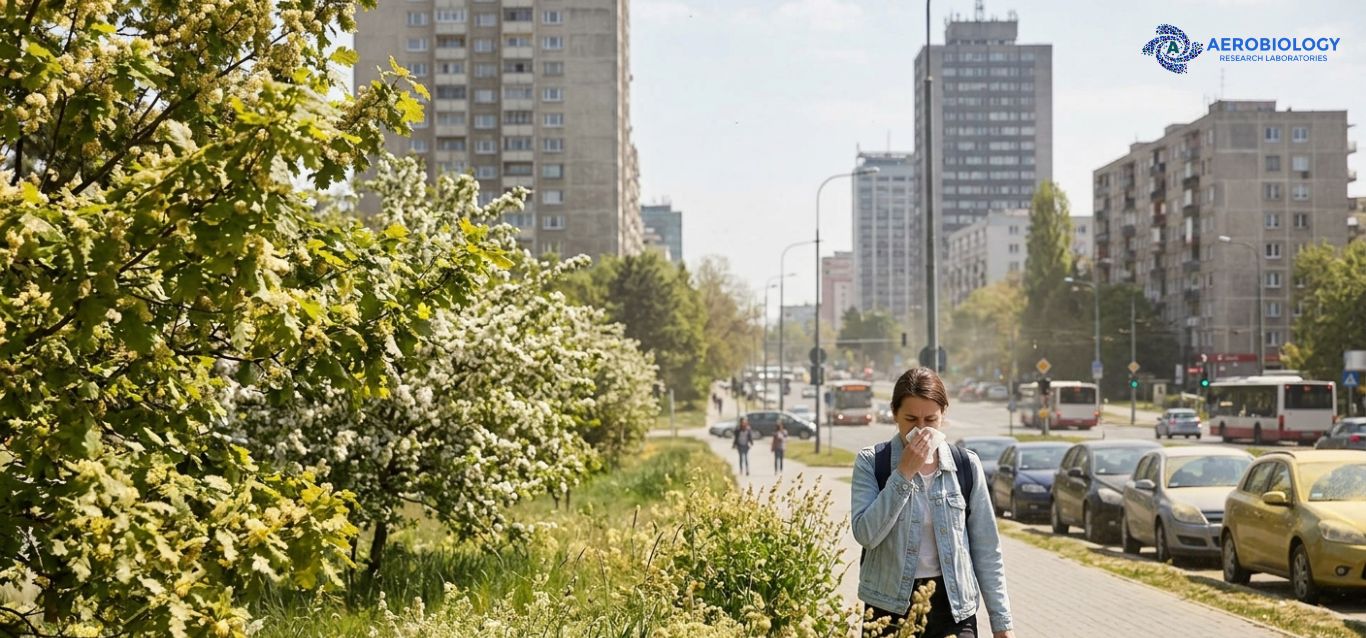
As cities grow and become more densely populated, the urban environment often has higher concentrations of certain pollen-heavy species planted in close proximity to people. Cities frequently plant male trees (which produce pollen) to avoid fruit litter — a practice called botanical sexism. This increase in male plant life can lead to a higher concentration of pollen in the air, especially during the spring and fall months for certain weeds. Trees like birch and oak are commonly found in cities and tend to release pollen in large quantities, causing an uptick in allergen levels for city dwellers.
Furthermore, heat from buildings creates urban heat islands, which can lengthen pollen seasons. Warmer temperatures encourage earlier and longer pollen seasons and increase the heat island effect, thus extending the time that individuals are exposed to these allergens. As a result, allergy sufferers in urban areas are often exposed to allergens for a longer duration, leading to more intense symptoms and a greater need for preventive measures.
Rural areas can have more pollen overall, depending on the region, because of large expanses of grasses and forests, but urban areas may feel worse for allergy sufferers because of the combination of:
- concentrated allergenic species
- pollution
- heat
- limited airflow between buildings
Urbanization leads to the replacement of green spaces with hard surfaces like roads and buildings, significantly altering the environment. This shift affects the type and amount of pollen that is released into the air. In cities, plants that produce large amounts of pollen, such as certain tree species and weeds, tend to thrive.
Climate Change, Pollution Effects, and Pollen Data
The consequences of urbanization on allergen levels are further exacerbated by climate change. Global warming has led to longer and more intense pollen seasons, especially in urban areas that already experience elevated temperatures. The combination of climate change and urbanization creates a perfect storm for allergen exposure. Warmer temperatures and changes in rainfall patterns push plants to bloom earlier and in greater numbers, extending the duration of allergy seasons.
Pollution, too, plays a significant role in this process. Urban environments are more prone to pollution such as traffic emissions, industrial activities, and other pollutants increase the production of pollen and make it more harmful which can enhance the effects of pollen exposure. Research has shown that pollutants like nitrogen dioxide (NO2) and particulate matter can increase the release of pollen from plants. These pollutants interact with pollen particles, potentially making them more potent and allergenic.
The result is that individuals in cities face not only the potential of higher quantities of pollen but pollutants can damage pollen grains causing them to break into smaller fragments that penetrate deeper into the lungs. These same pollutants can increase the release of allergenic proteins and make pollen grains more inflammatory to the immune system aggravating respiratory issues like asthma and rhinitis.
This increased exposure to allergens in urban areas has led to a surge in asthma cases, sinus issues, and other respiratory conditions, highlighting the growing public health concern that comes with urbanization.
The Importance of City Pollen Data
As pollen levels continue to rise in urban areas, it becomes more important for residents to have access to accurate pollen data. Understanding when pollen levels are at their peak can help individuals plan their activities and manage their allergies more effectively. With this knowledge, allergy sufferers can take steps to limit their exposure, such as staying indoors during high pollen days, using air purifiers, or starting allergy medications early. Reliable pollen data also helps health professionals prepare for the surge in allergy-related health visits, providing timely advice and treatment options to patients.
Download the Allergy Sufferers App for Personalized Pollen Insights Across Canada
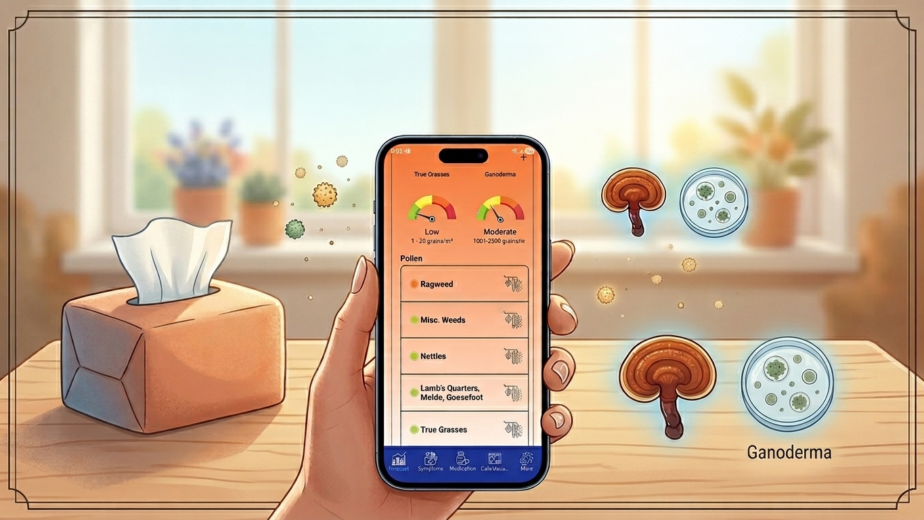
To stay ahead of pollen season and better manage your symptoms, download the Allergy Sufferers app by Aerobiology Research Laboratories This app supports asthma and allergy research, offering science-backed, data-driven pollen and spore forecasting across Canada. With over 70 types of pollen and outdoor moulds (spores) analyzed, you can trust the app’s accuracy and reliability.
Here’s what you can expect with the Allergy Sufferers App:
- Push Notifications: Get alerts when pollen and/or mould levels reach specific thresholds in your area. Customize your notifications for the types of pollen and spores that affect you most.
- 5-Day Forecasts: Receive detailed 5-day forecasts, including the current day, for all individual pollen and spore types in the air. This allows you to plan your activities and manage your exposure.
- Personalized Forecasts: Quickly access forecasts tailored to your specific allergies. Choose up to 7 types of pollen and spores that you are allergic to, and track forecasts for up to 5 different locations.
- 80% Accuracy: Rely on accurate forecasts, with an 80% accuracy rate for all 5 days during any given season, ensuring that you can plan ahead effectively.
Symptoms Tracking
Keep track of your symptoms with the app’s Symptoms Page, where you can log your personal information and monitor how you feel day-to-day. The app allows you to track medication use, symptoms, and the pollen and spore levels to gain valuable insights into your allergy patterns. This feature helps you understand how your symptoms correlate with the pollen count in your area.
Medication Tracking
Log your medication and treatment details within the app. Keep track of the types and amounts of medications you take, ensuring that you are following the best regimen for your allergy management.
Data Visualizer
Use the Data Visualizer to analyze the relationship between your symptoms, medication, and the pollen and spore levels. This feature helps you determine which allergens trigger your reactions and whether your current medication is effective. It’s a powerful tool for gaining insight into your allergy management. Download the app today to stay informed, reduce exposure, and take control of your allergy season with the most reliable, science-based data available