
Children with Allergies
Does your child develop a “cold” at the same time every year?
Seasonal allergies may be to blame, and according to the World Health Organization (W.H.O), as many as 40% of all children worldwide suffer from seasonal allergies or allergic rhinitis.
Prevalence
According to a 2014 National Health Interview Study in the U.S. 20% (roughly 14.7 million) of children have seasonal allergies and this trend is increasing. According to the WHO White Book on Allergy, allergic rhinitis affects as many as 40% of children worldwide. Allergies are the most common chronic disorder in children. The number of children in developed countries around the world with allergies has increased dramatically in the past 25 years.
Prevalence is also rising in low to middle income countries.
Allergic rhinitis affects more boys than girls; in adults, everyone is affected equally.
Allergic rhinitis develops before 20 years of age in 80% of cases.
The symptoms experienced by children are generally the same as adults but can have different quality of life implications.
How Allergies Affect Your Child
Children can have a hard time articulating how they are feeling, so understanding how allergies affect them is important.
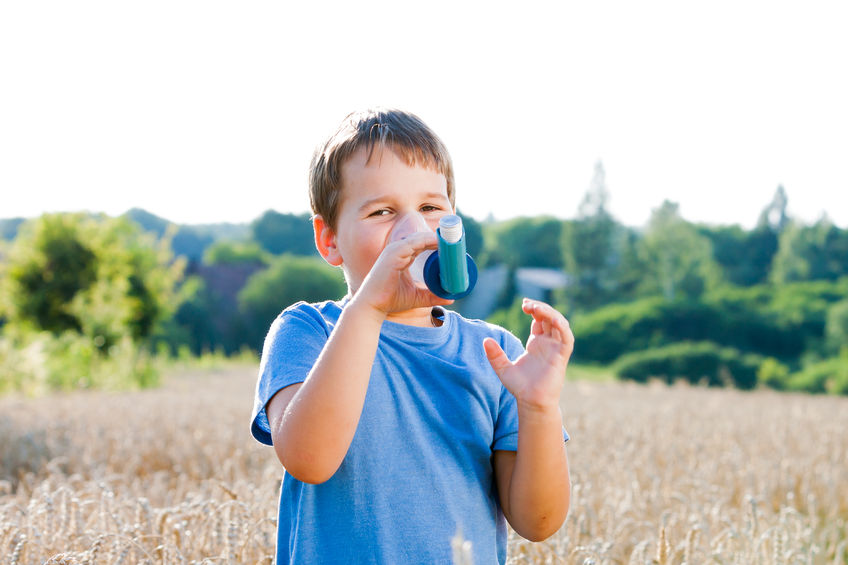
EFFECT # 1 – Asthma
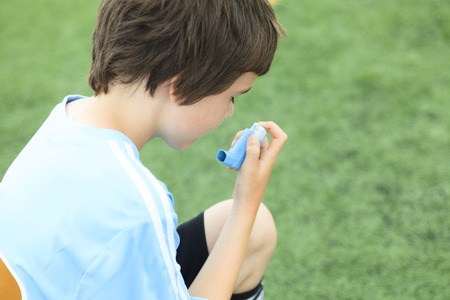
The majority of children with asthma also suffer from seasonal allergies—up to 80%. Seasonal allergy symptoms such as coughing, sneezing, and nasal congestion can trigger an asthma flare-up. This can further exacerbate the risk of death in asthmatics.
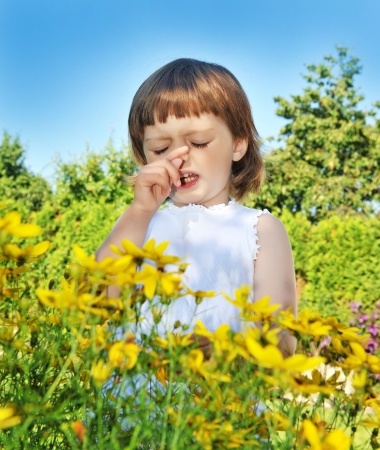
EFFECT # 2 – Nose
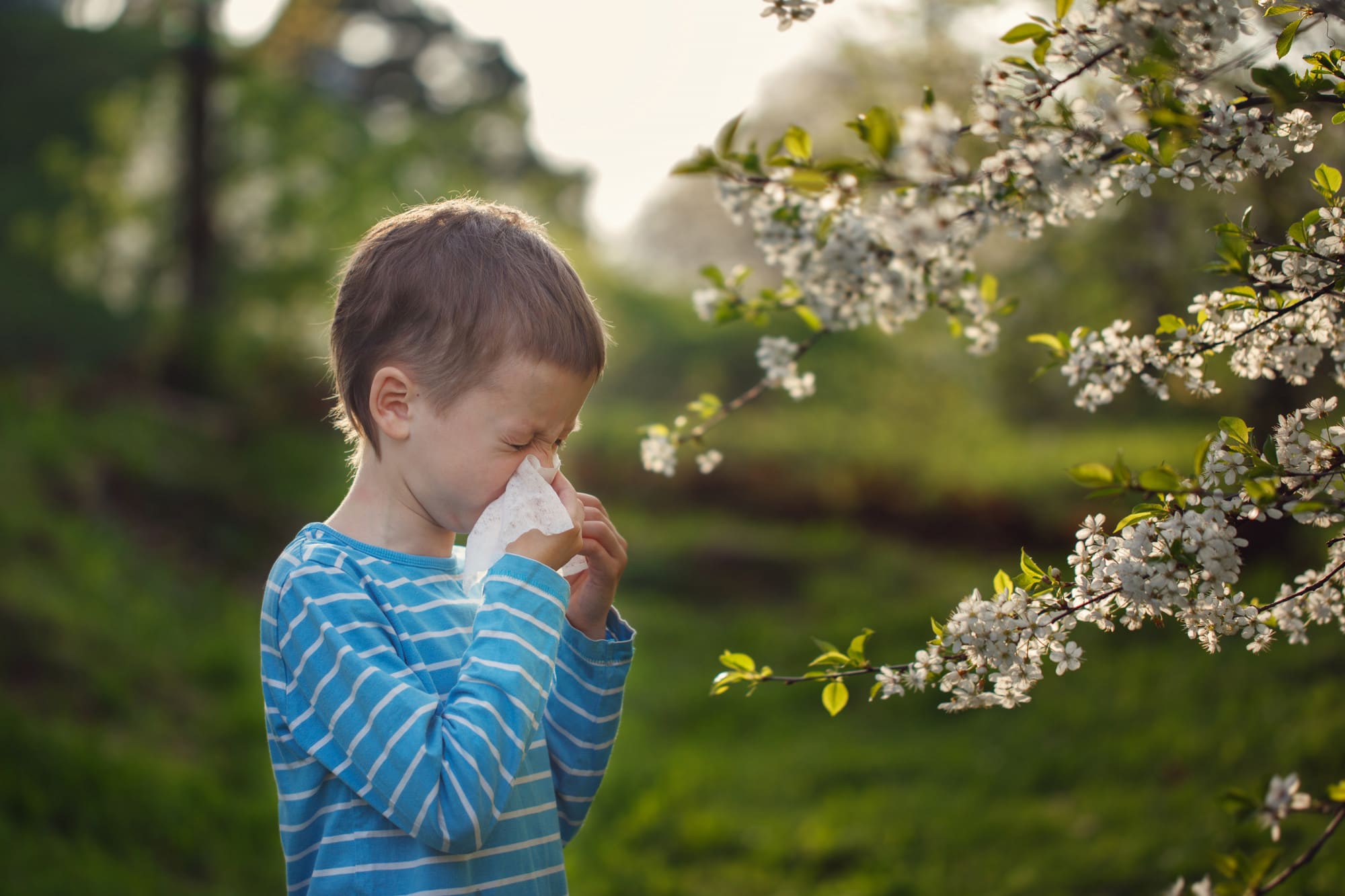
The tiny hairs in your child’s nose trap particles from the air, including pollen and fungal spores. In a child with seasonal allergies, these trapped particles cause swelling, itching, redness, and mucus production.
Children experiencing these symptoms account for a large proportion of school absences; this has been reported to cause social exclusion.
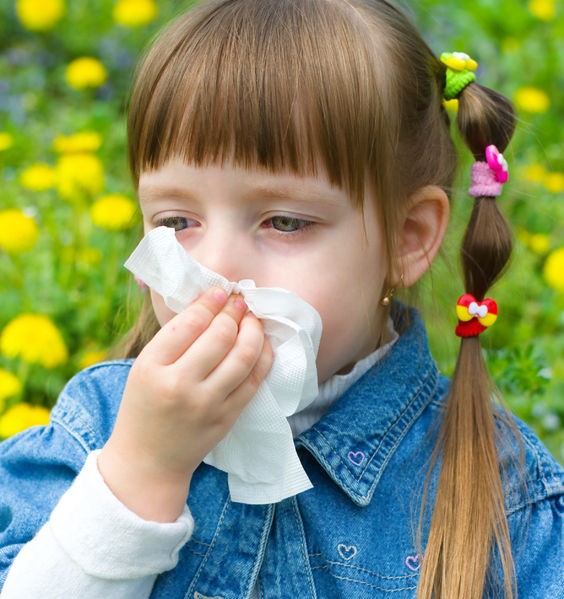
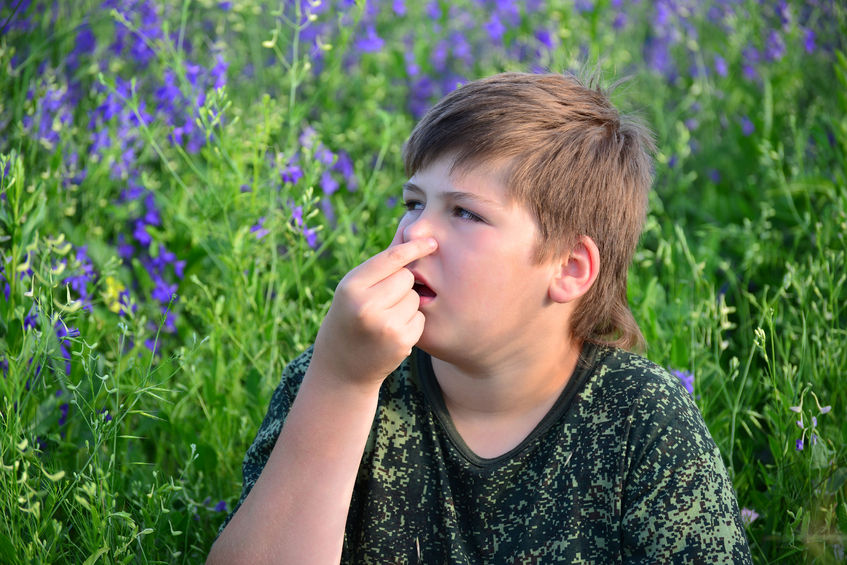
EFFECT # 4 – Mucus
The excess mucus production in the nose and sinuses that occurs in children suffering from seasonal allergies can block the nasal passages. This causes sleep problems in almost 90% of children with seasonal allergies.
Teens suffering from these types of seasonal allergy symptoms during end of year exams are twice as likely to drop a grade from their winter marks compared to those without seasonal allergies.
Studies
There are many studies that support these findings.
Characterization of tree allergy prevalence in children younger than 4 years
The prevalence and severity of atopic diseases in children are increasing. The effects of aeroallergen sensitivity on these diseases are manifold. In young children, the presence of aeroallergen sensitivity may serve as a risk factor for the development of persistent asthma.

Asthma, allergic rhinitis, and sleep problems in urban children
In this study, the role of allergic rhinitis (AR), a comorbid condition of asthma, on children’s sleep problems is also examined. Is poor allergic rhinitis control related to more sleep problems?
Allergic rhinitis and School Performance
Allergic rhinitis quality of life in urban children with asthma
Urban children with asthma and allergic rhinitis (AR) are at risk for experiencing worse AR-related quality of life (QOL). AR may be underdiagnosed and undertreated in urban minority children.
How to Improve Your Child’s Quality of Life

Know Pollen Levels
Regularly check the pollen report on The Weather Network to know the forecasted pollen level in your area. Better yet, join our pollen alert forecast program:
- Receive daily pollen forecasts delivered straight to your smartphone and get a daily forecast for the allergens your child is allergic to
- Use the calendar feature to input your child’s symptoms
- Receive daily tips and tricks to reduce effects of pollen on your child’s quality of life
Get the app through the Apple App Store or Google Play.
Clear allergens
Use a saline nasal rinse to help clear allergens from your child’s nasal membranes.
Medication
Provide your child with medication at bedtime and not in the morning.
Food
Children with ragweed allergies may also be allergic or sensitive to bananas, melon, chamomile, sunflower seeds, and cucumber.
Sinus Pressure Relief
Use a warm compress for relief from your child’s sinus pressure and pain.
Get Our Pollen Alert App
Download the app now through the APPLE APP STORE and GOOGLE PLAY STORE.