Pollen allergies are a common and troublesome issue for millions of people around the world. From sneezing fits in spring to congestion in the fall, pollen exposure can significantly impact daily life. For those suffering from seasonal allergies, managing exposure to pollen is crucial for minimizing symptoms. One of the most effective ways to control pollen exposure is by relying on accurate pollen data. In this blog, we’ll explore why precise pollen data is essential for allergy sufferers and how it can enhance allergy management.
The Importance of Accurate Pollen Data
Accurate pollen data is key for predicting and understanding the concentration of pollen in the air. Pollen forecasts give allergy sufferers a reliable measure of airborne pollen levels in a specific area. This information is invaluable as it allows individuals to take proactive steps to reduce exposure and avoid the onset of symptoms. Without accurate data, allergy sufferers would be left to guess the pollen levels, making it harder to manage their condition effectively.
Many individuals rely on daily pollen forecasts to plan their activities and manage their symptoms. For example, those with severe pollen allergies may choose to stay indoors on high pollen days, reducing their exposure to allergens. Accurate pollen data helps people make informed decisions about when to take medications, close windows, or use air purifiers to reduce exposure to pollen.
Allergy Management and the Role of Pollen Count Accuracy
Effective allergy management depends on knowing when pollen levels are high and how long they will remain elevated. This knowledge enables allergy sufferers to proactively manage their condition, taking preventive actions before symptoms develop. Accurate pollen counts provide crucial data that can help individuals:
- Time Medication: Allergy medications are most effective when taken before symptoms appear. By using accurate pollen data, individuals can time their medication to coincide with high pollen days, maximizing its effectiveness.
- Plan Activities: Knowing when pollen levels are high helps allergy sufferers avoid outdoor activities that could trigger symptoms. By staying indoors or adjusting their plans, they can prevent sneezing, congestion, and itchy eyes.
- Create an Allergy-Friendly Environment: Accurate pollen data empowers individuals to adjust their home environment. For instance, they can keep windows closed during peak pollen times, use air purifiers, or limit outdoor activities for pets all based on the forecasted pollen levels.
A recent study conducted in 2025 in Germany found that participants with access to all features of a pollen forecast app took more medication at the right time and reported lower symptoms and social activity impairment than participants with access to a reduced‐function app.
The Role of Pollen Sensors and Technology
Advancements in technology have made it easier to track pollen levels with great precision. Pollen sensors and monitoring stations are strategically placed in various locations around cities to collect real-time data on airborne pollen concentrations. These sensors continuously measure the types and amounts of pollen in the air, ensuring the data is as accurate as possible.
The introduction of pollen sensors has revolutionized the collection of pollen data, offering real-time, location-specific information that is used for forecasting. The data collected is then analyzed and shared through apps, websites, and other digital platforms, providing allergy sufferers with timely, reliable information on pollen levels.
Moreover, pollen data models powered by machine learning and data analytics have significantly improved the accuracy of pollen forecasts. By combining historical and recent pollen data with real-time weather conditions and environmental factors, these technologies can predict pollen levels with high precision. Allergy sufferers benefit from accurate, location-specific pollen forecasts that help them manage their allergies more effectively.
Daily Pollen Forecasts and Their Benefits
Accurate daily pollen forecasts are crucial for anyone dealing with seasonal allergies. These forecasts predict pollen levels for the next several days, helping individuals make informed decisions about their daily activities. A forecast might indicate that pollen levels will be high on a particular day, giving allergy sufferers the opportunity to take preventive steps.
By using daily pollen forecasts, individuals can:
- Prepare for High Pollen Days: Knowing when pollen levels are expected to peak allows allergy sufferers to take medications early, adjust their daily routines, and limit exposure.
- Monitor Trends Over Time: Accurate pollen data allows individuals to track pollen levels over the season, helping them predict when symptoms will worsen and adjust their strategies accordingly.
- Stay Ahead of Allergies: With daily forecasts, allergy sufferers get early warnings about potential flare-ups, helping them proactively reduce exposure instead of reacting once symptoms appear.
Environmental Health and Pollen Data
Pollen is not only a concern for allergy sufferers but also a significant environmental health issue. In urban areas, where pollution and climate change intensify allergen effects, pollen can worsen public health problems. Rising temperatures, altered rainfall patterns, and increased air pollution all contribute to higher pollen production and dispersion.
Accurate pollen data plays a key role in environmental health initiatives. By analyzing pollen data, researchers and policymakers can better understand the relationship between climate change, pollution, and pollen levels. This data supports efforts to reduce exposure, protect vulnerable populations, and improve air quality.
Conclusion
For allergy sufferers, knowing when pollen levels are high is essential for managing symptoms and minimizing exposure. Accurate pollen data allows individuals to take informed actions, from timing medications to planning outdoor activities, ensuring they can enjoy life without the discomfort of seasonal allergies. With technological advancements in pollen data collection and forecasting, allergy sufferers have powerful tools at their disposal to stay ahead of symptoms and breathe easier.
Download the Allergy Sufferers App for Personalized Pollen Insights Across Canada
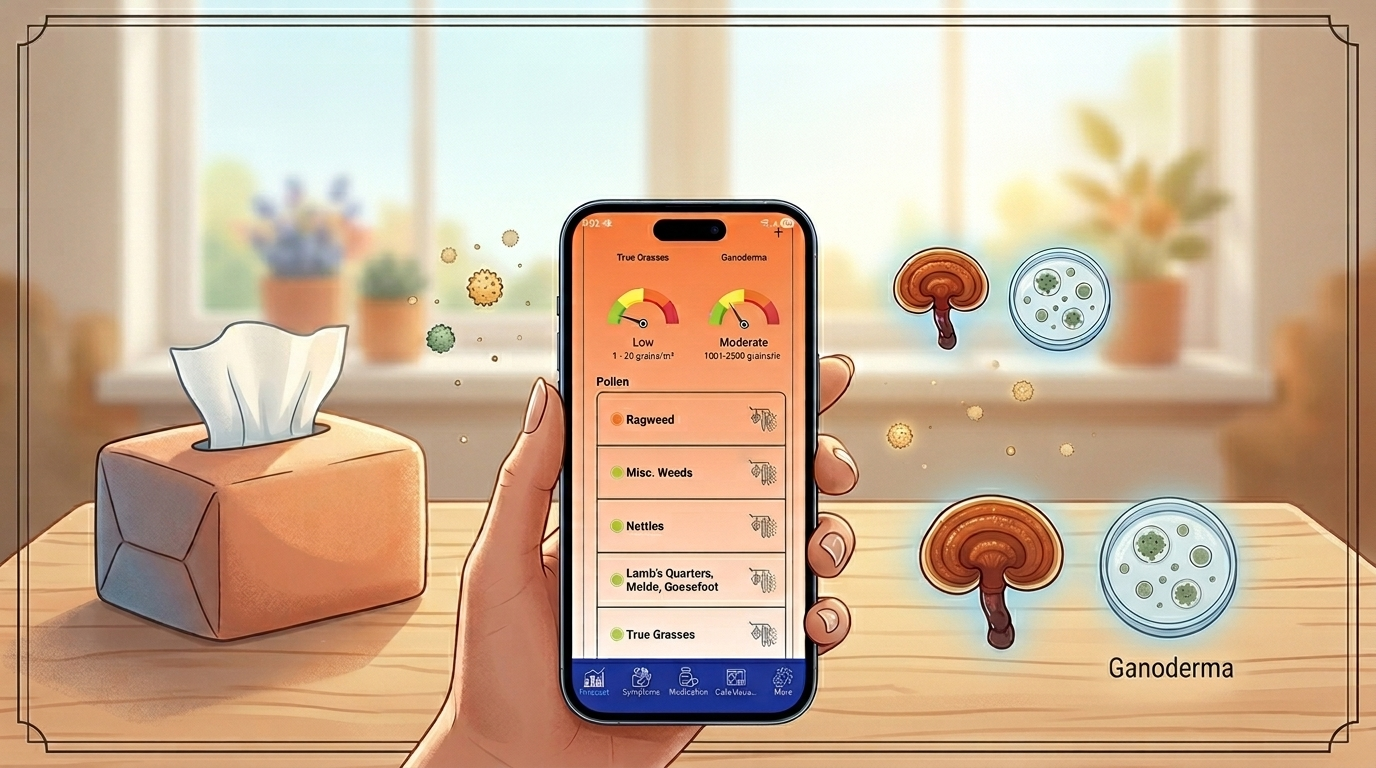
To stay ahead of pollen season and better manage your symptoms, download the Allergy Sufferers app by Aerobiology Research Laboratories. This app offers science-backed, data-driven. Pollen and spore forecasts across Canada, analyzing over 70 types of pollen and outdoor moulds (spores).
Here’s what you can expect from the Allergy Sufferers app:
- Push Notifications: Get alerts when pollen or mould levels reach different thresholds in your area. Customize notifications for the pollen and spores that affect you the most.
- 5-Day Forecasts: Receive detailed 5-day forecasts for all pollen and spores in the air, helping you plan your activities and manage exposure.
- Personalized Forecasts: Tailor your forecasts to your specific allergies by tracking up to 7 pollen/spore types and up to 5 different locations.
- 80% Accuracy: Enjoy accurate, reliable forecasts with an 80% accuracy rate for up to 5 days during the season.
Symptoms Tracking
Track your symptoms using the app’s Symptoms Page. You can log personal data, medications, and correlate your symptoms with pollen and spore levels to gain valuable insights.
Medication Tracking
The app allows you to track medications and treatments, ensuring you follow an effective allergy management plan.
Data Visualizer
Analyze the relationship between your symptoms, medications, and pollen levels using the Data Visualizer. This feature helps you understand what triggers your symptoms and improve your management strategy.
Download the app today to take control of your allergy season with data you can trust, reduce exposure, and breathe easier!