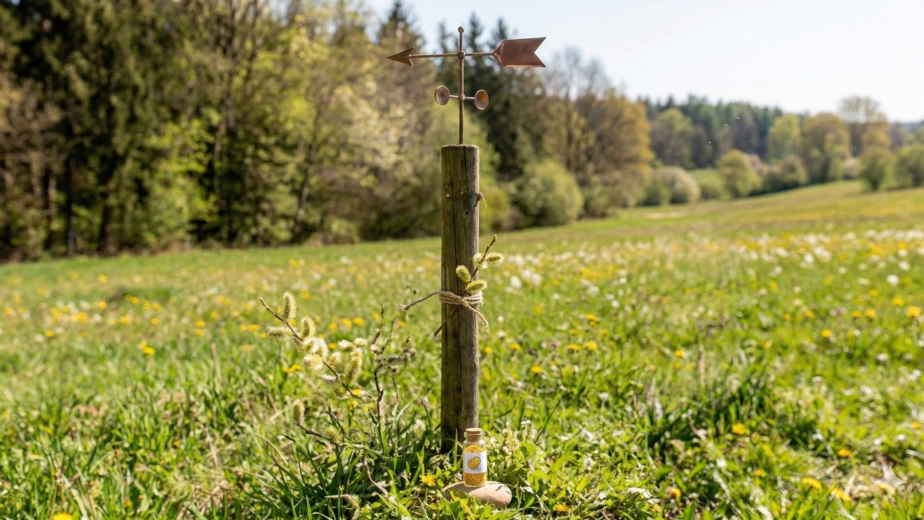

Accurate allergy forecasting is essential for those who suffer from seasonal pollen allergies. Whether it’s sneezing, congestion, or itchy eyes, knowing when pollen levels will rise can make all the difference in preventing symptoms and improving quality of life. Aerobiology, the scientific study of airborne biological particles like pollen, plays a crucial role in the prediction and forecasting of allergy triggers. In this blog, we’ll explore how Aerobiology contributes to more accurate allergy forecasting and why its methods are vital for pollen allergy prediction.
The Role of Aerobiology in Allergy Forecasting
Aerobiology is at the heart of allergy forecasting. By studying airborne pollen, spores, and other biological particles, aerobiologists collect data that informs pollen allergy predictions. Accurate allergy forecasting starts with understanding the behavior of various plant species, their pollination cycles, and environmental factors that influence pollen dispersion.
Aerobiology relies on detailed data analysis of pollen levels, seasonal patterns, and environmental conditions to make reliable predictions about pollen levels. This data is then used to generate models that can forecast pollen levels, helping allergy sufferers plan their activities and reduce exposure.
Pollen Data Analysis and Allergy Prediction
Aerobiology provides a scientific basis for allergy predictions through extensive pollen data collection and analysis. Using both low tech and high-tech pollen sensors and monitoring stations, aerobiologists measure the concentration of different types of pollen in the air. This data is then analyzed to detect patterns, such as when certain types of pollen are likely to peak and how long their effects will last.
By combining this data with environmental information like temperature, wind speed, and rainfall, scientists can predict when allergenic pollen will be present at higher levels. These forecasts help individuals with allergies take proactive measures, such as using medications before symptoms worsen or avoiding outdoor activities during high pollen days.
Scientific Prediction Models and Seasonal Patterns
The key to successful allergen forecasting lies in scientific prediction models. Aerobiologists use advanced algorithms and machine learning to develop these models, which are designed to predict seasonal patterns and fluctuations in pollen levels. By analyzing decades of pollen data, scientists can understand long-term trends and make accurate predictions about when specific pollen types will be most concentrated in the air.
For example, birch trees may release pollen in the early spring, while grass pollen peaks in late spring or early summer. By understanding these seasonal patterns, allergy forecasting models can provide more precise predictions about when each pollen type will be prevalent and how long the pollen season will last. The only issue with this though is that seasons can start 3 plus weeks earlier or later than they previously did decades ago. This is most related to longer seasons of warm weather over the last decade and more erratic weather patterns. However, seasonality can be used in modelling just not weighted the same way it used to be.
Forecasting Models: From Data to Actionable Insights
Forecasting models are powered by the continuous collection of pollen data, including real-time monitoring from sensors placed in various locations. This data feeds into predictive models that can forecast pollen levels for up to several days in advance. These models integrate multiple variables, such as plant cycles, temperature, and historical pollen counts, to offer highly accurate pollen predictions.
For allergy sufferers, these forecasts are invaluable. They allow people to prepare for high pollen days by timing medications, planning activities indoors, and using air purifiers in their homes. The more accurate the forecasts, the better allergy sufferers can manage their condition and avoid unnecessary exposure to allergens.
The Benefits of Aerobiology in Allergy Forecasting
Aerobiology’s contribution to allergy forecasting offers several key benefits:
- Accurate Predictions: By studying the behavior of different plant species and analyzing environmental data, aerobiologists can provide more precise predictions about when pollen levels will rise, helping people take preventive actions.
- Seasonal Awareness: Aerobiology provides valuable insights into seasonal pollen patterns, giving allergy sufferers a clear picture of what to expect throughout the year. This information helps individuals better manage their allergies across different seasons.
- Informed Decision-Making: With access to accurate pollen forecasts, allergy sufferers can plan their days better, from scheduling outdoor activities to adjusting medication regimens in advance of high pollen levels.
- Public Health Impact: Accurate allergy forecasting not only helps individuals but also has a broader public health impact. By predicting pollen surges, healthcare professionals and public health organizations can prepare for increased visits from allergy sufferers and advise patients on prevention strategies.
Conclusion
Aerobiology plays a critical role in improving pollen allergy prediction and forecasting. By collecting detailed pollen data, analyzing seasonal patterns, and applying advanced forecasting models, aerobiologists provide highly accurate pollen forecasts that help allergy sufferers reduce exposure and manage symptoms. With ongoing advancements in technology and data analysis, aerobiology will continue to enhance our understanding of airborne allergens and improve allergy forecasting.
For those looking for personalized, data-driven pollen insights, the Allergy Sufferers app by Aerobiology Research Laboratories offers reliable, scientifically-backed pollen forecasts. With real-time updates, accurate predictions, and the ability to track symptoms, medications, and pollen levels, this app empowers users to take control of their allergy management.
Download the Allergy Sufferers App for Personalized Pollen Insights Across Canada
To stay ahead of pollen season and better manage your symptoms, download the Allergy Sufferers app by Aerobiology Research Laboratories. This app offers science-backed, data-driven pollen and spore forecasts across Canada, analyzing over 70 types of pollen and outdoor moulds (spores).
Here’s what you can expect from the Allergy Sufferers app:
- Push Notifications: Get alerts when pollen or mould levels reach thresholds in your area. Customize notifications for the pollen and spores that affect you the most.
- 5-Day Forecasts: Receive detailed 5-day forecasts for pollen and spore levels in the air, helping you plan your activities and manage exposure.
- Personalized Forecasts: Tailor your forecasts to your specific allergies by tracking up to 7 pollen/spore types and up to 5 different locations.
- 80% Accuracy: Enjoy accurate, reliable forecasts with an 80% accuracy rate for up to 5 days during the season.
Symptoms Tracking
Track your symptoms using the app’s Symptoms Page. You can log personal data and correlate your symptoms with pollen and spore levels to gain valuable insights.
Medication Tracking
The app allows you to track Medications and treatments, ensuring you follow an effective allergy management plan. You can also correlate your medication with your symptoms and pollen forecasts in the data visualizer.
Data Visualizer
Analyze the relationship between your symptoms, medications, and pollen levels using the Data Visualizer. This feature helps you understand what triggers your symptoms and improve your management strategy.
Download the app today to take control of your allergy season with data you can trust, reduce exposure, and breathe easier!